Landscaper Glendale CA Guide to Replacing Turf With Native Plant Landscapes
A green lawn in Glendale can look calm from the curb, but anyone who has tried to keep one alive through a hot, dry Southern California summer knows the hidden cost. The sprinkler run times creep up. Brown patches appear anyway. The mower comes out again and again. Then the water bill arrives, and the lawn starts to feel less like a landscape feature and more like a weekly negotiation.
For many Glendale homeowners, replacing turf with native plants is no longer a fringe idea. It is a practical landscape renovation that fits the climate, the city’s water rules, and the way people actually use their yards. Glendale Water & Power remains in Phase III of its Mandatory Water Conservation Ordinance, which limits outdoor watering to two days a week, Tuesday and Saturday, for no more than 10 minutes per watering station. That single rule changes the math for traditional residential landscaping. A lawn designed around frequent irrigation is difficult to justify when the local water framework points in the opposite direction.
Native plant landscapes, when designed well, solve more than one problem. They reduce water demand, soften architecture, improve curb appeal, and create a yard with seasonal character instead of a flat green surface. The key phrase is “when designed well.” Removing sod and scattering a few drought tolerant plants across bare dirt is not landscape design. A successful conversion depends on planning, soil preparation, irrigation changes, spacing, mulch, and a clear understanding of how plants mature in Glendale’s climate.
A professional landscaper in Glendale CA should approach turf replacement as both a technical project and a design project. Water efficiency matters, but so does proportion, access, maintenance, shade, and the relationship between the yard and the home’s architecture.
Why turf replacement makes sense in Glendale
Glendale’s climate rewards landscapes that can handle heat and dry conditions without constant attention. The city actively promotes drought tolerant and California-friendly landscaping, including a downtown drought tolerant demonstration garden and a water-wise garden site with more than 200 examples of California native landscapes. That civic emphasis is important. It signals that water efficient landscaping is not merely a private preference. It ridgelineoutdoorliving.com landscaping near me is part of the local landscape direction.
The contrast in water use can be dramatic. Glendale has stated that native plants can survive drought with about 20 gallons of water per month, compared with up to 4,000 gallons per month for a green lawn in summer. Actual savings vary by yard size, plant choice, irrigation condition, exposure, and maintenance habits, but the direction is clear. Turf is one of the thirstier choices in a dry region. Native plants, once established and properly irrigated, can operate on a very different water budget.
There is also a practical maintenance argument. Lawns require mowing, edging, fertilizing, aerating, patching, and regular irrigation checks. A native landscape still needs care, especially during establishment, but the work changes. Instead of weekly mowing, maintenance becomes seasonal pruning, occasional weeding, mulch replenishment, and irrigation inspection. That is a better fit for many homeowners who want low maintenance landscaping without turning the front yard into gravel.
A good landscape contractor in Glendale should be honest about the transition period. Native plant landscapes are not instant in the same way sod installation is instant. New plants need time to root, spread, and settle into their form. The first year is about establishment. The second year usually starts to show the intended structure. By the third year, if the design and installation were done properly, the landscape begins to feel anchored.
Start with the yard you actually have
Turf replacement starts with observation, not demolition. Before removing a single square foot of sod, study where the sun lands, where water drains, where people walk, and where the existing lawn is performing badly. A dry slope, a compacted parkway, a shaded side yard, and a sunny front lawn are not the same design problem.
In Glendale, front yard landscaping often carries more visual responsibility than the backyard. It frames the house, affects curb appeal, and can influence how the property feels from the street. That matters in a city with a high-value housing market, where the median value of owner-occupied housing units is over $1 million. A water wise yard should still look intentional. If it reads as neglected, the project has failed even if it saves water.
Architecture also matters. Glendale has strong historic character in many neighborhoods. The Rossmoyne Historic District alone includes hundreds of homes, with Spanish Colonial Revival, Tudor Revival, and French-inspired houses among its notable styles. Craftsman and Spanish Colonial Revival homes are also especially prevalent in the city’s broader architectural context. A native landscape can suit these homes beautifully, but the planting style should respect the building.
For a Spanish Colonial Revival home, a landscape with bold forms, warm paving, restrained plant groupings, and strong entry geometry often feels more appropriate than a meadow-like arrangement. For a Craftsman, layered planting, shaded edges, and a softer transition from porch to garden may work better. Landscape design is not just plant selection. It is composition.
The city’s design guidance asks whether landscape design complements the building design and conserves water. That is a useful standard for homeowners. A successful turf replacement should do both at once.
The rebate changes the project, but it should not drive every decision
Glendale’s Turf Replacement Program offers homeowners a $3 per square foot rebate for replacing turf Hardscaping glendale Ridgeline Outdoor Living with drought tolerant or native plants, drip or efficient irrigation, and rainwater capture. For a larger lawn, that can meaningfully offset the cost of landscape installation. It can help pay for plants, irrigation conversion, mulch, and some of the labor required to remove turf and prepare soil.
The program also has a clear limitation that homeowners sometimes miss: synthetic turf is not an approved conversion option in that program. Artificial turf and synthetic grass may still be discussed in other residential landscaping contexts, especially where a homeowner wants a play surface or a no-mow area, but they should not be confused with Glendale’s turf replacement rebate path. If the goal is to qualify for that program, the project needs to follow the city’s requirements, including drought tolerant or native planting, efficient irrigation, and rainwater capture.
That distinction is worth making early. A homeowner may ask a hardscape contractor or landscaper Glendale CA provider for “something low maintenance,” and the conversation can quickly drift toward artificial turf. Synthetic surfaces have their own trade-offs, but they are not the same as living, water efficient landscaping. A native plant conversion creates shade at the soil surface, supports a more natural garden character, changes seasonally, and can be shaped to complement the house.
A rebate should never be the only reason to renovate a yard. The better approach is to design a landscape that makes sense for the property, then align it with available program requirements where appropriate.
Removing turf is only the visible part
The most common mistake in turf replacement is treating sod removal as the project. It is only the beginning. What lies beneath the grass often determines whether the new landscape succeeds.
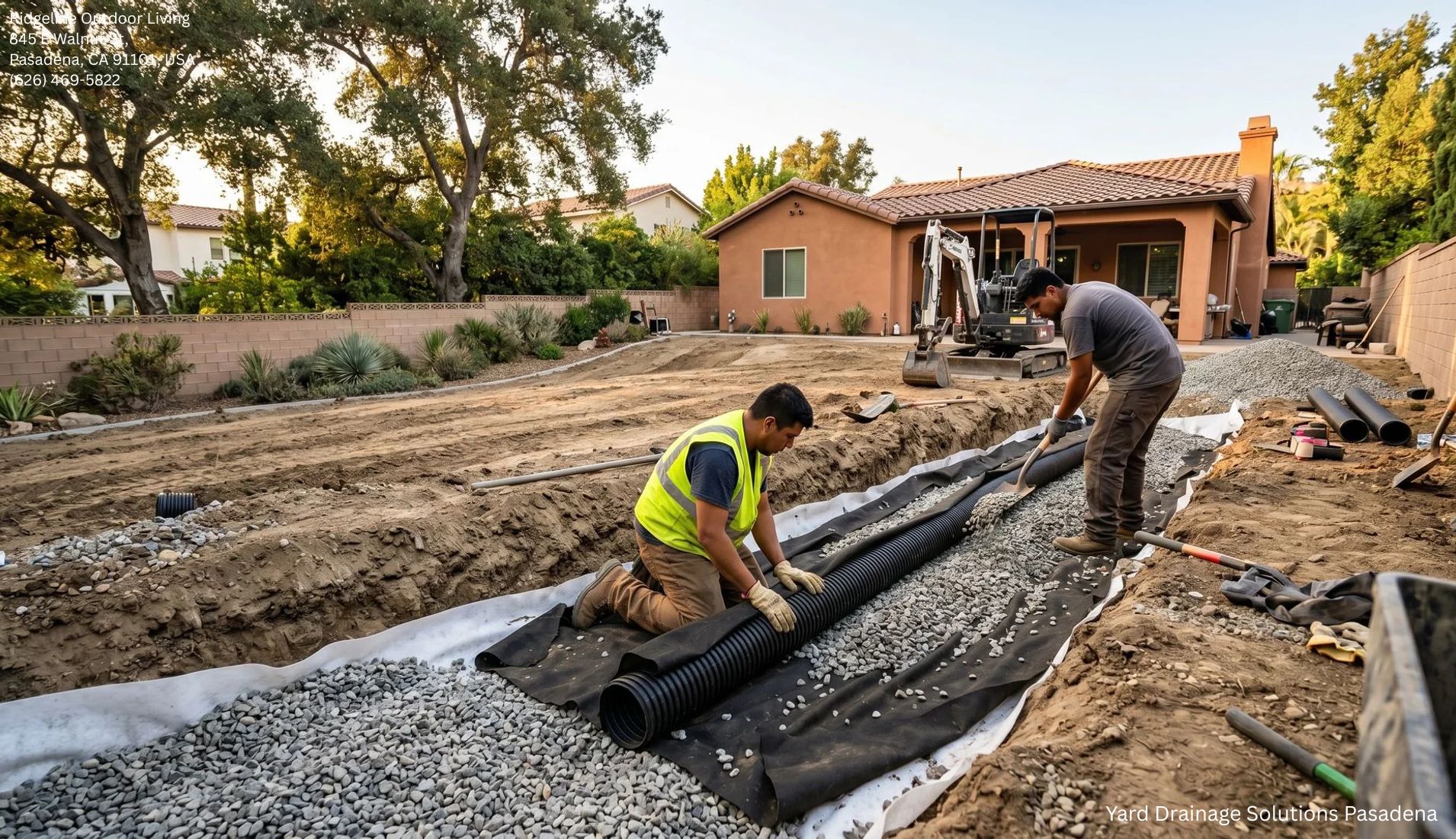
Old lawns can leave behind compacted soil, sprinkler patterns designed for turf, buried irrigation problems, and weed seeds waiting for sunlight. If the new planting goes directly into poor conditions, the homeowner may end up with stressed plants and a yard that looks unfinished for years. A landscape renovation should include soil assessment, grading adjustments where needed, irrigation redesign, and a plan for mulch.
This is where professional landscape installation earns its value. Removing turf cleanly, protecting existing trees, avoiding damage to utilities, and setting proper finish grades all require care. The soil should not be left as a hard, exposed surface. Mulch is not decoration in a drought tolerant landscaping project. It moderates soil temperature, reduces evaporation, suppresses weeds, and gives the new planting a finished appearance while plants are still young.
In many yards, the irrigation system is the biggest technical shift. Traditional sprinkler installation for lawn uses overhead spray. Native and drought tolerant planting usually performs better with drip irrigation or other efficient irrigation systems that deliver water near the root zone. Glendale’s own landscape guidance emphasizes drip irrigation, mulch, leak repairs, and watering early or late in the day. Those details sound ordinary, but they decide whether the yard becomes truly water efficient or merely looks drought tolerant.
A new planting plan connected to old, leaky, poorly zoned sprinklers is a compromised project. The irrigation should be designed around hydrozones, grouping plants with similar water needs together. Sun exposure matters too. A plant in a hot parkway can need different establishment care than the same species in a partially shaded courtyard.
A native landscape still needs structure
Homeowners sometimes picture native plants as informal, loose, and wild. They can be, but that is not the only option. In residential landscaping, especially in visible front yards, structure matters. The human eye likes order before it appreciates detail. A native garden with clear edges, repeated plant forms, defined paths, and open space often looks more polished than a random collection of interesting plants.
Structure can come from hardscaping, plant massing, boulders, low walls, pathways, or the geometry of planting beds. A paver patio, a decomposed granite path, a seating area, or carefully placed retaining walls can make a drought tolerant garden feel deliberate. The goal is not to overbuild the yard. The goal is to give the planting a framework.
Hardscape contractor experience becomes useful when the turf replacement includes grade changes, patio installation, outdoor living spaces, or circulation improvements. If a backyard lawn is removed, the family may still need a flat place for a table, a grill, or children’s activities. Native plants can frame those uses, but they do not replace every function a lawn once served.
Backyard landscaping has different priorities than front yard landscaping. In the backyard, privacy, shade, entertaining, and usable space often drive the design. A lawn may have served as a general-purpose surface even if it used too much water. When replacing it, the design should ask what activities still need to happen there. A small paver patio may serve daily life better than a large unused lawn. A planted border can soften fences. A path can connect doors, gates, and seating areas without forcing people through planting beds.
Custom landscape design becomes especially important when the yard has multiple demands. A homeowner may want water savings, curb appeal, a dog-friendly route, a shaded sitting area, and a cleaner view from the kitchen window. Those needs can coexist, but not by accident.
Choosing native plants for Glendale conditions
Plant selection should be based on exposure, mature size, water needs, maintenance expectations, and style. Native plants are not interchangeable. Some want more room than a small parkway provides. Some look best when planted in masses. Some are tidy enough near an entry walk, while others belong farther from high-traffic areas.
A professional landscape design should avoid the nursery-cart problem, where plants are chosen one by one because each looks attractive in a container. A strong planting plan uses repetition. It considers height, texture, bloom timing, and how the garden looks when flowers are absent. In water efficient landscaping, foliage often carries the design more reliably than blooms.
A balanced Glendale native plant landscape usually includes a mix of structural shrubs, lower landscape contractors spreading plants, seasonal color, and open mulch or pathway space. Trees, where appropriate, can provide long-term shade and scale, but they need careful placement. Large plants should not block windows, crowd foundations, or interfere with sight lines near driveways.
The first summer after installation deserves respect. Even drought tolerant plants need regular water while roots establish. “Native” does not mean “no water immediately after planting.” It means the plant is better adapted to local or regional conditions once established, assuming it was planted correctly and placed in the right exposure. Many failures come from under-watering new plants in the name of conservation. Establishment irrigation is an investment in future water savings.
Parkway areas need special attention
Glendale homeowners often look at the strip between sidewalk and street and see an obvious place to remove turf. That can be true, but parkways come with rules and safety considerations. The city requires a Public Works permit for installing any living or non-living plant materials over 12 inches high in parkways, and parkway landscaping is governed by Glendale Municipal Code Chapter 12.48.
That height threshold is important. A plant that looks small in a one-gallon container may exceed 12 inches quickly. Boulders, raised elements, and certain non-living materials can also trigger review depending on the installation. Before redesigning a parkway, homeowners should confirm requirements rather than assuming it is just another planting bed.
Visibility and access matter in parkways. People step out of cars. Doors open. Trash bins need space. Pedestrians pass by. A parkway packed with woody plants may save water but create daily irritation. The better solution is usually a restrained palette, low-growing material, mulch, and clear stepping areas where needed.
Irrigation: the quiet difference between success and disappointment
Irrigation systems do not photograph well, so they are often underappreciated. Yet in turf replacement work, they are one of the most important parts of the job. A beautiful planting plan connected to inefficient irrigation will struggle. A modest planting plan with well-designed drip can mature into a strong, resilient landscape.
Glendale’s current outdoor watering limit of two days per week and no more than 10 minutes per watering station makes efficiency essential. Drip irrigation can deliver water more precisely than overhead spray, but it must be designed and maintained correctly. Emitters need appropriate placement. Zones should reflect plant water needs. Filters and pressure regulation matter. Lines should be checked after installation and periodically afterward, especially before hot periods.
Sprinkler installation habits from lawn care do not always translate. Turf irrigation aims to wet a broad, shallow root zone evenly across a surface. Native plant irrigation should support individual plants and encourage deeper rooting over time. During establishment, watering may be more attentive. Later, schedules can often be reduced, depending on plant performance, weather, and local rules.
Leak repairs deserve more attention than they usually receive. A small irrigation leak can waste water and create unhealthy wet spots that encourage weeds or plant disease. Glendale’s guidance specifically emphasizes fixing leaks, and that advice is practical. Before investing in new landscape installation, the existing irrigation system should be tested. Valves, heads, lines, and controller settings should not be assumed to be functional just because water comes out somewhere.
The role of hardscaping in a turf conversion
A turf replacement does not have to be all plants. In fact, the best projects often combine drought tolerant planting with thoughtful hardscaping. The word “hardscaping” can sound heavy, but it includes many useful elements: paths, patios, seating pads, steps, walls, and edging. These features organize the landscape and make it usable.
A paver patio can replace part of a backyard lawn that previously handled outdoor dining. Patio installation can also solve muddy or worn areas near doors. Retaining walls may be necessary where grade changes make planting or access difficult. In a front yard, a widened walkway or small landing can make the entry feel more generous while reducing irrigated area.
The trade-off is heat and permeability. Too much paving can make a yard feel harsh, especially in hot weather. The design should balance hard surfaces with shade, planting, and rainwater capture opportunities where feasible. Since Glendale’s Turf Replacement Program includes rainwater capture as part of the conversion approach, the grading and hardscape layout should be considered together rather than separately.
Outdoor living spaces work best when they are sized honestly. A patio that is too small becomes decorative. A patio that is too large can dominate the yard and reduce planting opportunities. A good landscape contractor Glendale homeowners can trust will ask how many people actually use the space, what furniture needs to fit, and how the area connects to the house.
Native plants versus artificial turf
Artificial turf comes up often in conversations about replacing lawn because it promises a green look without mowing. It can be appropriate in some limited situations, but it should not be treated as a direct substitute for native plants. Synthetic grass does not provide the same living texture, seasonal change, or planting value. It also does not qualify as an approved conversion option under Glendale’s Turf Replacement Program.
The decision is not simply “real lawn or fake lawn.” Glendale homeowners have a broader set of choices. A landscape Landscape community guide can include native plants, drought tolerant shrubs, mulch, paths, seating areas, and small functional open spaces. The result can be lower maintenance than turf without relying on a synthetic surface.
There are cases where a homeowner still asks about artificial turf for a specific use area, such as a small play zone or pet area. That conversation should be separate from a rebate-focused native plant conversion. It should include realistic discussion of heat, cleaning, lifespan, drainage, and appearance. For many front yards, especially those tied to distinctive architecture, living drought tolerant landscaping simply looks more refined.
What a well-planned turf replacement usually includes
The details vary by property, but most successful projects move through a similar sequence. Skipping steps can save money at the beginning and cost more later, especially if plants fail or irrigation needs to be rebuilt after installation.
- Site evaluation, including sun, slope, drainage, soil condition, existing irrigation, access, and the role of the yard in daily life.
- Design planning, including plant palette, hardscape layout, mulch areas, rainwater capture approach, and compatibility with the home’s architecture.
- Turf removal and soil preparation, with attention to grading, compaction, and protection of existing trees or features.
- Irrigation conversion, often from overhead spray to drip or another efficient system suited to the new planting.
- Planting, mulching, controller adjustment, and establishment monitoring through the first warm season.
That sequence may sound straightforward, but each step contains judgment. For example, turf removal near tree roots should be handled carefully. A slope may need erosion control before planting fills in. A front yard with a strong architectural style may need fewer plant varieties, not more. A backyard designed for entertaining may need hardscape first and planting second.
Cost, value, and the temptation to underbuild
Replacing turf with native plants is not always cheaper upfront than keeping a lawn for another year. Sod already in place can limp along with patching and periodic sprinkler work. A real landscape renovation requires design, labor, materials, irrigation changes, and plant establishment. The value comes over time through reduced water demand, improved curb appeal, lower mowing needs, and a yard better aligned with Glendale’s climate.
The rebate can help, but homeowners should still budget realistically. A bare-minimum conversion often shows its limitations quickly. Too few plants leave the yard looking sparse for too long. Poor mulch coverage invites weeds. Inadequate irrigation causes uneven growth. No hardscape plan can leave people cutting across planting beds because the old lawn path disappeared.
On the other hand, overbuilding has its own problems. A yard does not need excessive paving, too many specimen plants, or complicated features to feel complete. The best projects usually spend money where it matters most: design, irrigation, soil preparation, and a coherent plant palette. Decorative extras can come later.
In Glendale’s housing market, curb appeal has weight. With owner-occupied housing at roughly a third of housing units and owner-occupied home values high, exterior improvements should be treated carefully. A front yard does not need to be formal, but it should look maintained, intentional, and appropriate to the home. Water conservation and property presentation are not opposing goals.
Maintenance after the lawn is gone
A native landscape is lower maintenance, not no maintenance. The maintenance rhythm changes from frequent mowing to periodic observation and timely intervention. During the first year, the homeowner or maintenance crew should watch for dry stress, clogged drip emitters, weed pressure, mulch displacement, and plants that are not adapting well. Early corrections are cheaper than replacement later.
Pruning should respect the natural form of the plants. Shearing every shrub into a ball defeats much of the point of native and drought tolerant planting. It creates a generic look and can shorten plant life. Selective pruning, done at the right time, keeps paths clear, maintains sight lines, and supports healthy growth.
Mulch should be replenished as it breaks down or thins. Bare soil loses moisture faster and invites weeds. Irrigation schedules should be adjusted seasonally and in response to local watering rules. Glendale advises watering early or late in the day, and that practice helps reduce evaporation.
Landscape maintenance practices also need to align with local rules. Glendale prohibits gas-powered leaf blowers, and Glendale Water & Power offers rebates for electric leaf blowers purchased in Glendale or elsewhere. For homeowners hiring maintenance crews, that is worth discussing directly. A water-wise yard maintained with outdated practices is only halfway updated.
Common mistakes that show up after the first summer
The first summer reveals the quality of a turf replacement. Plants that were installed too close together may begin crowding. Plants placed too far apart may leave the yard looking unfinished. Irrigation zones may prove mismatched. Mulch may have been applied too thinly. A walkway that looked optional on paper may become necessary once people start using the yard.
The most frequent mistake is underestimating mature plant size. Native plants in small containers can look harmless, but many grow wider than expected. Crowding creates maintenance problems and can make a landscape look messy rather than natural. Good landscape design plans for the mature garden, not just installation day.
Another mistake is ignoring the house. A drought tolerant yard should not look like a separate exhibit placed in front of the building. It should frame the entry, respect windows, leave room around architectural details, and use forms that complement the structure. Glendale’s architectural variety makes this especially important.
A third mistake is relying too heavily on gravel. Gravel has its place, but a yard dominated by rock can feel hot and stark. Mulch and planting usually create a softer, more residential character. In many cases, the best low maintenance landscaping is not the one with the fewest plants. It is the one with the right plants in the right places, spaced and irrigated properly.
A practical way to think about design
A homeowner does not need to know every plant name before calling a landscape contractor. It is more useful to understand the desired outcome. Is the front yard meant to look clean and architectural, soft and garden-like, or informal and habitat-oriented? Should the backyard support dinners outside, quiet reading, children’s play, or mostly views from inside? Does the property need retaining walls, a paver patio, new paths, or only planting and irrigation changes?
These questions shape the project more than a plant list does. A professional landscaper Glendale CA homeowners hire for this work should be able to translate goals into a buildable plan. That includes explaining trade-offs. More hardscape may improve usability but increase heat if not balanced. Larger plants may give faster impact but cost more and still need establishment care. A sparse design may save money upfront but look unfinished. A dense design may mature faster but require careful spacing and pruning.
For many Glendale properties, the strongest approach is a layered one: efficient irrigation below, mulch at the soil surface, native plants arranged with structure, and hardscape used where people need to move or gather. That combination supports water efficient landscaping without sacrificing livability.
When to bring in a professional
Some homeowners can handle a small turf conversion themselves, especially if the area is simple and the irrigation changes are minor. Larger projects benefit from professional help. If the yard has slope, drainage issues, parkway considerations, existing trees, failing irrigation, or plans for patios and walls, experience matters.
A landscape contractor Glendale homeowners work with should understand local water restrictions, rebate requirements, irrigation systems, and the difference between decorative drought tolerant planting and a functioning native landscape. If hardscape is part of the scope, the contractor should also be comfortable with grading, base preparation, drainage, and transitions between paving and planting.
The best results come from treating turf replacement as a complete landscape renovation rather than a single substitution. The question is not simply what replaces the grass. The question is how the entire outdoor space should work now that the lawn is no longer the default surface.
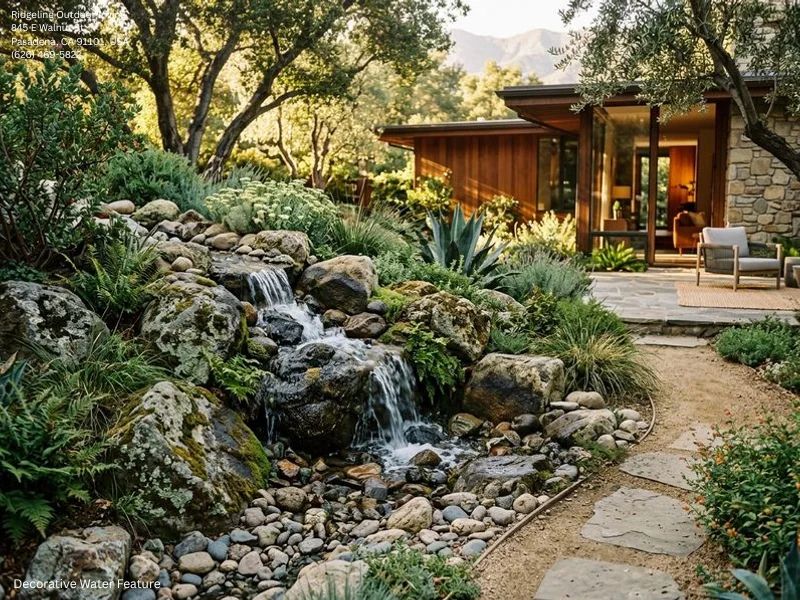
A Glendale yard can be water wise, low maintenance, and attractive at the same time. It can conserve water while complementing a Craftsman porch or a Spanish Colonial Revival facade. It can replace a thirsty lawn with native plants, efficient irrigation, mulch, rainwater-aware grading, and outdoor spaces that fit daily life. Done well, the landscape stops fighting the climate and starts belonging to it.